
Occupational Therapy
Effective Occupational Therapy
for Children
in Myrtle Beach SC
Occupational Therapy
Pediatric Occupational therapists work with individuals with childhood onset conditions who are experiencing illnesses or injuries or conditions that limit their ability to perform and participate int occupations and routines with family. Participation in occupations include play, activities of daily living, instrumental activities of daily living and school
Conditions treated:
- Sensory Processing Disorders
- Fine Motor Disorders
- Pediatric Feeding Disorders
- Activities of Daily Living
- Visual Perceptual Disorders
- Dyspraxia
- Handwriting

Our Occupational Therapy Services

Sensory Processing Disorders
Sensory Processing Disorder or SPD is a condition that exists when sensory signals don’t get organized into appropriate responses. Pioneering occupational therapist and neuroscientist A. Jean Ayres, PhD, likened SPD to a neurological “traffic jam” that prevents certain parts of the brain from receiving the information needed to interpret sensory information correctly. A person with SPD finds it difficult to process and act upon information received through the senses, which creates challenges in performing countless everyday tasks. Motor clumsiness, behavioral problems, anxiety, depression, school failure, and other impacts may result if the disorder is not treated effectively. (SPDnetwork.org)
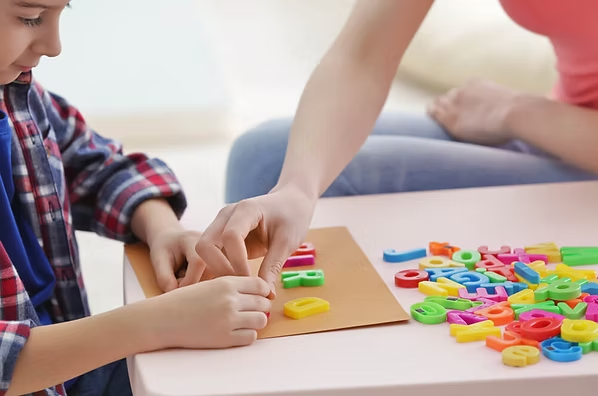
Fine Motor Disorders
- Difficulty with Hand and Finger Coordination
- Trouble picking up small objects, Difficulty using one hand while stabilizing with the other, Poor hand strength or weak grip
- Trouble with Daily Living Skills (ADLs)
- Difficulty buttoning, zipping, or tying shoelaces, Struggles with using utensils (fork, spoon, knife), Trouble opening containers or manipulating toys
- School-Related Difficulties
- Messy or slow handwriting, Difficulty cutting with scissors, Problems with coloring within lines, Trouble building with blocks or puzzles
- Sensory or Motor Planning Issues
- Difficulty coordinating hand movements, Poor hand–eye coordination, Clumsiness with tasks requiring precision

Pediatric Feeding Disorders
- We help your loved one get the most out of their nutrition.
- It goes without saying that eating is an important part of life. When you cannot eat or you can only eat a very limited number of foods, meal time and meal preparation can be very challenging. This is why we provide feeding therapy.
- Feeding therapy isn't just for infants, though we do help babies as well. Anyone that is having trouble chewing, swallowing, or doesn't like the texture of certain types of foods can use our help.

Activities Of Daily Living
- Personal Hygiene & Grooming
- Brushing teeth
- Washing face
- Combing hair
- Bathing or showering
- Dressing
- Putting on and taking off clothes
- Fastening buttons, zippers, shoelaces
- Choosing appropriate clothing
- Eating (Feeding)
- Using utensils
- Drinking from a cup
- Bringing food to mouth
- Toileting
- Getting to the toilet
- Managing clothing
- Wiping
- Handwashing afterward
- Functional Mobility
- Getting in and out of bed
- Moving around independently (walking, wheelchair use)
- Sitting, standing, and transferring

Visual Perceptual Disorders
- Visual perceptual disorders are difficulties in the brain’s ability to interpret, understand, or use visual information—even when eyesight (vision acuity) is normal. These disorders affect how a person makes sense of what they see, and they can impact learning, reading, writing, coordination, and daily activities.
- Visual Discrimination
- Difficulty noticing differences or similarities between objects (shape, size, color, orientation).
- Example: Confusing similar letters like b/d or p/q.
- Visual Figure–Ground
- Difficulty locating an object in a busy visual background.
- Example: Can’t find an item in a cluttered drawer or find a word on a full page of text.
- Visual Memory
- Difficulty remembering what was just seen.
- Example: Can’t recall spelling patterns, shapes, sight words, or sequences.
- Visual Sequential Memory
- Difficulty remembering a sequence of visual information.
- Example: Trouble copying words, remembering phone numbers, or following multi-step visual patterns.
- Visual Spatial Relations
- Difficulty understanding where objects are in space or judging directional relationships.
- Example: Reversing letters, misaligning numbers in math, trouble with left/right.
- Visual Closure
- Difficulty recognizing an object when part of it is missing.
- Example: Struggling with incomplete pictures, identifying partially covered words, or reading fast.
- Visual Form Constancy
- Difficulty recognizing an object even when it changes in size, color, orientation, or context.
- Example: Not identifying a letter if it is written in a different font or size.
- Visual Motor Integration (VMI)
- Difficulty coordinating visual perception with motor output.
- Example: Poor handwriting, copying shapes, tracing, or drawing.
- Depth Perception Problems
- Difficulty judging distance between objects.
- Example: Trouble catching a ball, stepping off a curb, or placing items accurately.
- Visual Tracking (Oculomotor Dysfunction
- Difficulty following moving objects or scanning across lines of text.
- Example: Losing place while reading, skipping words/lines.
- Visual Attention Deficits
- Difficulty maintaining visual focus or filtering out irrelevant visual information.
- Example: Overwhelmed by visual clutter, inconsistent performance.
- Visuospatial/Visuocognitive Disorders (neurological)
- Seen in brain injury, stroke, cerebral palsy, or developmental disorders.
- Includes: Difficulty mentally rotating objects, Problems navigating environments, Impaired visual reasoning
- Visual Discrimination

Dyspraxia
- Dyspraxia—also called Developmental Coordination Disorder (DCD)—is a neurological condition that affects movement, coordination, and planning of motor actions. It’s not related to intelligence, but it can influence many everyday tasks.
- What Dyspraxia Affects
- Motor Skills Fine motor skills (writing, using utensils, buttoning clothes), Gross motor skills (balance, running, catching a ball), Hand-eye coordination Spatial awareness
- Organization & Planning Many people with dyspraxia also experience challenges with: Sequencing steps in tasks, Time management, Planning and organizing activities, Working memory
- Speech (in some cases) "Verbal dyspraxia" or childhood apraxia of speech affects: Producing sounds in the right order, Pronunciation Speech clarity
- Common Signs: Clumsiness or frequent tripping, Difficulty learning new motor skills, Messy or slow handwriting, Trouble with tying shoes, zippers, or dressing, Sensory sensitivity (noise, textures), Fatigue from tasks others find easy, Social frustration from misunderstandings or coordination issues
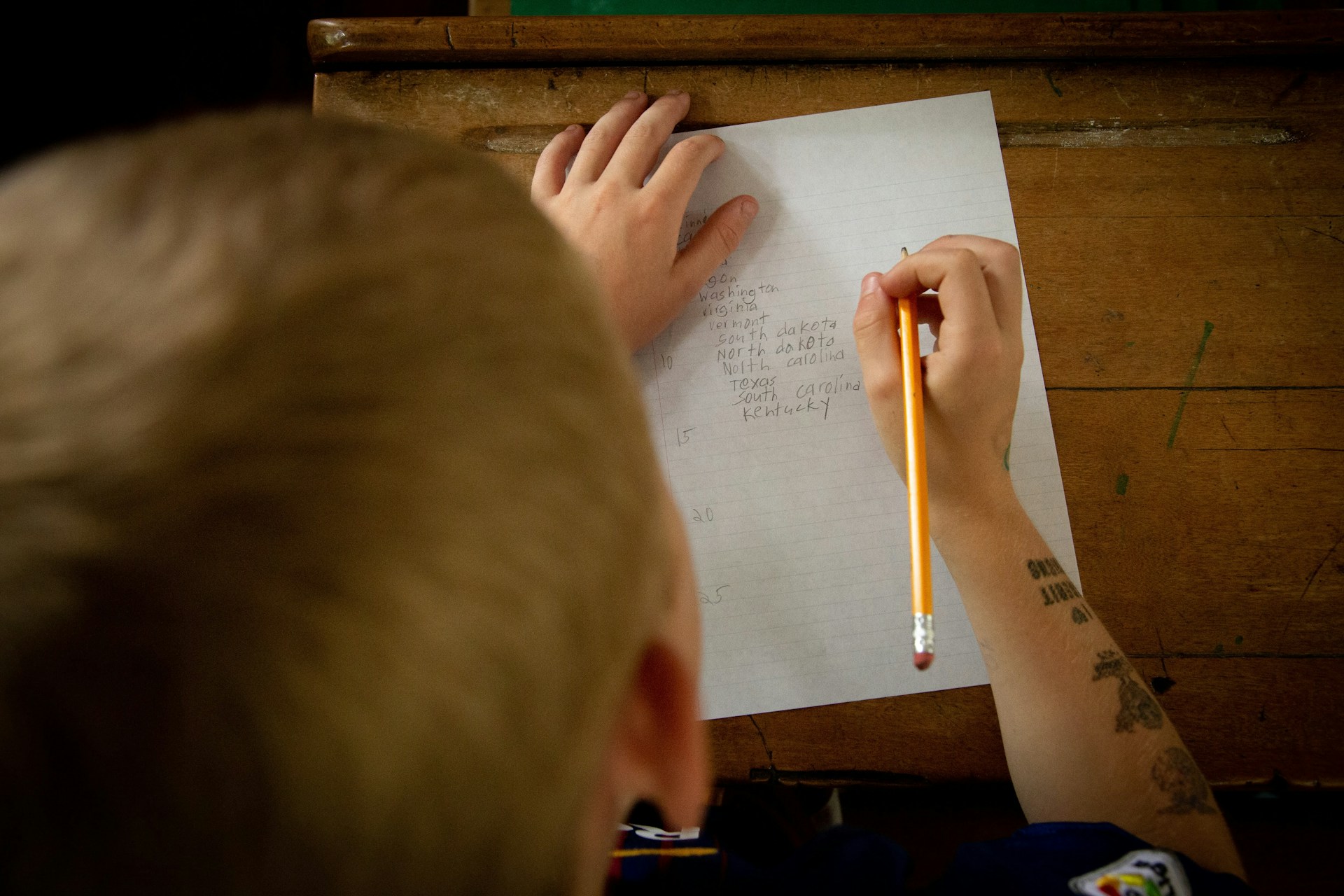
Handwriting
- Posture & Positioning
- How the body sits at the desk, Stability of the trunk and shoulders, Feet flat on the floor, Paper and desk position, Good posture provides the foundation for controlled hand movement.
- Pencil Grip (Fine Motor Control)
- How the fingers hold and move the pencil, Strength and dexterity of the fingers, Ability to control pressure, Common functional grips include dynamic tripod and dynamic quadripod.
- Hand Strength & Stability
- Strength of the small hand muscles, Wrist stability (wrist should be slightly extended, not flexed), Shoulder and forearm strength, which support endurance
- Motor Planning & Coordination
- Ability to plan the movements needed for each letter, Smoothness and consistency of movements, Coordination between eyes and hands.
- This is often a specific challenge for people with dyspraxia.
- Visual-Motor Integration
- Using visual information to guide hand movements, Aligning writing on the line, Matching letter size and spacing
- Letter Formation
- Knowing how to form each letter, Starting point, direction, and sequence of strokes, Consistency across letters, Correct formation reduces fatigue and increases speed.
- Spacing
- Space between letters, Space between words, Space between lines, Spacing affects readability more than many other features.
- Size & Proportion
- Keeping letter size consistent, Using appropriate sizes for uppercase vs lowercase, Matching size to the writing task (e.g., notebooks vs worksheets)
- Line Awareness
- Keeping writing on the baseline, Not drifting above or below, Understanding of upper/middle/lower letter zones (e.g., t goes up, g goes down)
- Speed & Fluency
- Writing at a pace appropriate for the task, Automaticity (not having to think about each letter), Ability to keep up in school or work settings
- Pressure Control
- Not pressing too hard (leads to fatigue and tearing paper), Not pressing too lightly (leads to faint writing)
- Cognitive & Language Factors
- Spelling Planning what to write, Organizing ideas, Working memory to keep track of words while writing
Request an Appointment
Learn more about our effective speech and communication therapy for children
Fill out the form and we will contact you during our working hours.